
“I said over and over and over again…” – The Dave Clark Five, 1965
You know, I do not watch a lot of commercial television, but I feel I could probably diagnose and prescribe certain medications based on my commercial “med school” education from the myriad of prescription (and nonprescription) medications that are routinely hawked via popular TV shows I happen to run across.
Arthritis? We have the cure! Depression? Step right up! Diabetes? Oh boy, do we have the fix!
Hmm … isn’t it the job of our physicians to diagnose and prescribe certain medications which can help us not only feel better but actually live? Of course, the drug companies marketing all these weirdly-named meds are focused on profits; they count on our worries, cares, and concerns about the health of ourselves and our loved ones to ask for (demand!) prescription medications from our physicians. Additionally, the over-the-counter items can be dangerous when combined with other OTC medications, or even used with certain vitamin supplements.
(NOTE: The scientists and medical professionals who diligently research and develop prescription medications are responsible for saving and enhancing many lives, and hopefully their efforts will continue to be funded. Follow up with your congressional representative.)
The populace is a slave to advertising in so many different areas. However, the demand for medications has reached an all-time high. According to the American Medical Association, direct-to-consumer advertising also carries the risk of creating unrealistic expectations for patients and conflicts of interest for physicians, adversely affecting patients’ health and safety and compromising patient physician relationships.1 A case may be presented that consumers are being made aware of how certain medications can help them or cure them from specific ailments, and thankfully there are effective drugs on the market to help us have a better quality of life.
To be sure, awareness can and should be a tool in one’s health management arsenal. However, there is a caveat to this and it lies in the “small print” of possible side effects. Now we know that drug manufacturers are very cautious about lawsuits and legal challenges. Hence, take a listen to all those side effect cautions – wow! Personally, when I do take a few moments to watch or listen to these commercials (which often appear as Broadway productions!) my thoughts are, “Mercy – the side effects (which often include death) sound far worse than the ailment!”
Sigh. What’s a consumer to do?
Often, those who are challenged by a debilitating illness or issue are desperate for answers, a very human feeling and need. Some are just curious about an advertised medication and how that can make a difference in their lives. We all want the best quality of life we can manage.
The drug advertisements can be thought-provoking. Do your own research carefully, as there are a number of organizations which can help you navigate the details. Among them are the FDA (Food and Drug Administration) American Society of Health System Pharmacists, and the National Medical Association.
Most importantly, talk to your health care provider! I think you will find if you have a frank discussion with your physician, you will get the answers you need or you will be directed to the specialist who can better treat you based upon your presenting symptoms and resulting diagnosis.
Sure, it can be confusing and even defeating to try to analyze all the drug treatments and promises made by those companies which stand to benefit financially from their sales and marketing to consumers – many of them senior citizens who suffer from both acute and chronic illnesses and issues – so my advice is do your research, rely on medical experts whom you trust, and change the channel!
Not a stop light … just a yellow caution before proceeding!
1 code-medical-ethics.ama-assn.org
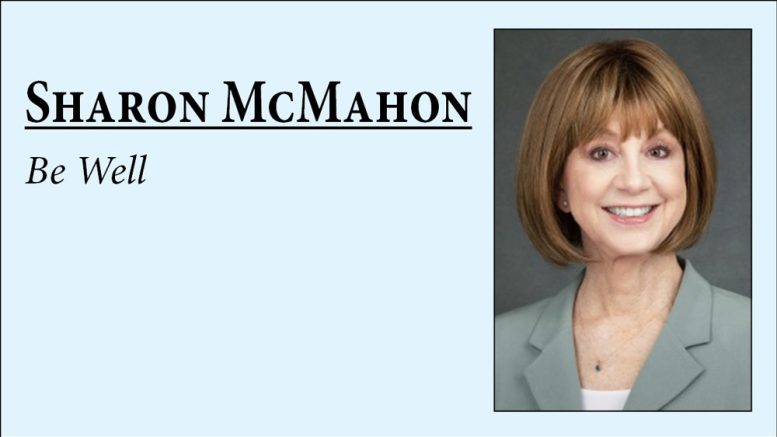
Sharon McMahon, CNWC
The opinions expressed in this article are not intended to replace advice of your personal physician or licensed health professional. Please consult your physician for any issues you may have related to nutrition or fitness activity.