

By MIKE HUBBS
Guest Columnist
 It is 3 a.m. The radio crackles with a partial license-plate number and a vague description of a sedan that just fled a violent robbery.
Ten years ago, that call would have launched a convoy of deputies, troopers, and city officers fanning out across Hamilton County, each one hoping to spot the suspect vehicle before daylight. We burned fuel, tied up manpower, and too often watched the trail go cold.
I remember those nights well. I served as a trooper with the Indiana State Police, commanded units at the Marion County Sheriff’s Office, worked for the U.S. Secret Service, and ran Hamilton County’s 911 center. Back then, success depended on luck and a lot of windshield time.
Today the playbook is different. Before a patrol unit even rolls, investigators check license-plate-reader (LPR) data. If the suspect car passes a fixed or mobile camera in our county, or slips under a reader in Lafayette, Indianapolis, or any partner agency, an alert arrives within seconds. Instead of scattering units in every direction, leaders can send two officers to the last alert, confirm the plate, and work outward from real-time information. What once took hours now takes minutes, and the odds of an arrest rise fast.
This has occurred numerous times over the past few years across the state with incidents ranging from kidnappings and murders. Some of the state’s most heinous crimes were committed by person(s) fleeing in a motor vehicle on a public roadway.
In August of 2024, an infant was kidnapped while inside a stolen motor vehicle in Indianapolis. LPR data readily available to responding law enforcement officials allowed them to quickly track and locate the vehicle which ultimately resulted in the infant being found unharmed. This would never have been possible prior to the evolution of technology and the LPR.
Central Indiana regularly hosts marquee sporting weekends and large conventions that fuel our regional economy. During those events, a network of license-plate readers feeds live plate data to law-enforcement teams. Suspicious-vehicle tips can be checked in seconds, so patrol officers stay focused on crowd safety instead of gridlock. Tens of thousands of visitors arrive and depart without a single vehicle-related incident spoiling the festivities.
Closer to home, Hamilton County sits between major commuter routes. When a theft crew uses a stolen SUV to strike parking lots along the corridor, one alert can place that vehicle on U.S. 31 or I-465 and let us coordinate with neighboring departments instead of guessing which exit it took. In domestic-violence calls, pinpointing a suspect’s car quickly often decides whether the next contact is an arrest or another assault.
Speed matters for three reasons. First, a plate alert arrives faster than any cruiser can drive. Second, two well-placed units can intercept a suspect vehicle while the rest of the shift stays on other calls. Third, time-stamped matches place a car near a crime scene and help prosecutors lock down timelines.
Troopers, deputies, and detectives across Indiana tell the same story: a stolen work truck recovered before sunrise, a burglary crew stopped one county over, a missing teenager located on an interstate ramp. Each case ends the same way, with faster results, safer streets.
License-plate readers do not replace patrol work; they multiply the minutes that matter. Officers still investigate, make the stop, and write the report. What changes is the starting point. Instead of chasing possibilities, they begin with a location and a time stamp. License-plate readers are one of many useful investigative tools to conduct criminal investigations. Law enforcement in the United States is constantly evolving in unison with the societies they serve.
When a crime involves a vehicle, timely information gives law enforcement the best chance to act quickly, use resources wisely, and keep people safe. That is why license-plate-reader technology has moved from a nice-to-have to a must-have in modern policing.
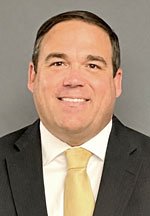
Mike Hubbs is director of administration for Hamilton County government, former Hamilton County 911 director, former trooper with the Indiana State Police, former commander with the Marion County Sheriff’s Office, and a former special agent with the U.S. Secret Service.