
March has a personality of its own.
It arrives in shades of green, carrying wishes of luck, four-leaf clovers, and cheerful greetings of “may the luck be with you.” At the same time, it sweeps us into the energy of March Madness – brackets, buzzer-beaters, and the thrill of unexpected outcomes.
Luck and momentum. Chance and competition.
But somewhere in the middle of all this, I’ve been thinking about something that doesn’t rely on luck at all: the quiet, intentional difference between being nice and being kind.
We often use these words as if they mean the same thing. They don’t.
Niceness is easy. It’s the polite smile, the agreeable nod, the instinct to keep things comfortable. Niceness keeps everything feeling like it’s going right, even when it’s not.
Kindness asks more of us.
In the spirit of Taste of Community, I’ve seen this difference unfold in small, human moments around shared tables. During one gathering, someone shared a food memory rooted not in celebration, but in struggle – stretching meals, making do, carrying quiet resilience. It would have been easy to respond with a quick smile and move on.
That would have been nice.
Instead, someone paused and said, “That must have been really hard.”
The room shifted. It slowed down. Others leaned in – not to fix, but to understand. More stories followed, deeper and more honest than before.
It wasn’t the easiest moment. But it was the kindest one.
Niceness protects the moment.
Kindness protects the person.
Photo provided
In another instance, while planning a community event, an idea was shared that sounded inclusive – but unintentionally missed the mark. The “nice” response would have been to agree and keep things moving.
But someone gently spoke up: “I wonder if this leaves someone out.”
It created a pause. A little discomfort – like a game turning in its final seconds. But just like in March Madness, those turning points matter.
Because that wasn’t just feedback. That was care in action.
Kindness is willing to risk a brief discomfort to create something more honest and inclusive.
And no, kindness isn’t about being harsh. It’s not about saying things bluntly and calling it truth. Real kindness carries intention. It asks, “Am I helping? Am I honoring? Am I making space for something better?”
Because without that intention, honesty can easily lose its heart.
And if I’m being honest, this hasn’t always been easy for me.
I’m not always the “nice” person with the constant, beaming smile. But I’ve learned that having a kind heart is an intentional practice. It’s choosing to speak the truth with care, to be that voice when something feels off, to be that neighbor or friend who is willing to sit in a little discomfort – if it means something more honest can grow.
Maybe that’s where this season offers us an unexpected lesson.
We often talk about being “lucky” to have good people and strong communities. But as we say in Gujarati,
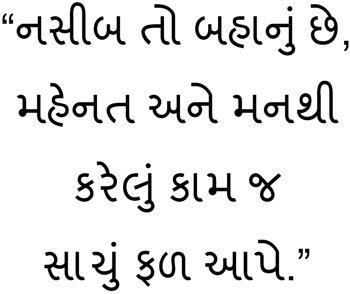
(Luck is often an excuse; it is effort and intention that truly bring meaningful results.)
What if community isn’t just luck?
What if it is built – moment by moment – through choices?
Through choosing to speak when it would be easier to stay silent.
Through choosing to listen when it would be easier to move on.
Through choosing kindness, even when niceness would be more comfortable.
Because the strongest communities aren’t the ones where everything feels perfect.
They’re the ones where people feel safe enough to be real.
And maybe that is the most meaningful kind of good fortune we can share – with intention, with honesty, and with heart.
Pooja Thakkar is working to build cultural connections. You can read her column each week in the pages of The Reporter.