

By GEORGE STAVROPOULOS
Guest Columnist
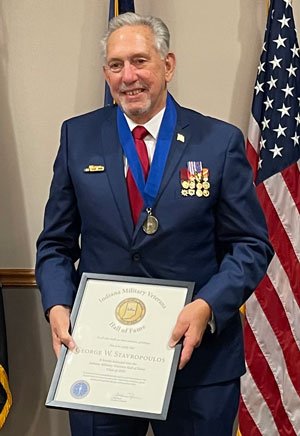 As an Indiana veteran, it matters when lawmakers listen to the people most affected by their decisions. By removing language from SB 173 that would have restricted mail-order pharmacy access, Indiana legislators made a smart, compassionate decision that protects veterans, seniors, and rural Hoosiers’ access to essential medications.
In Indiana, nearly 90,000 veterans live with disabilities connected to their service, and many more are managing the chronic conditions and decreasing mobility that come with age. We already face massive bureaucratic delays just to see a doctor, with an average 42-day wait time for primary care appointments through the VA. And that’s before counting specialists, bloodwork, or follow-up procedures.
In addition, healthcare facilities in our rural communities are struggling to keep doors open and staff on the job, and the delays in care for rural residents, especially those who served, are already bad enough. Hundreds of thousands of Indiana households – more than a quarter of neighborhoods in our state – live in “pharmacy deserts,” where the nearest full‑service pharmacy is more than 10 miles away. And in recent months, dozens of Indiana pharmacies closed their doors.
For veterans in rural communities across the state, the burden of making costly trips to reach the medical facilities is heavy enough; what makes it manageable is being able to come home and have our prescriptions arrive by mail. What veterans and rural families need now is action that keeps doors open, preserves mail-order and specialty options, and makes it easier, not harder, for Hoosiers to get the medications they depend on.
The larger healthcare picture is just as troubling. Even if hospitals and clinics were abundant and easy to reach, 10.5 percent of Indiana adults already report not taking medicine as prescribed because of cost. Thirty-three counties lack hospitals that provide care to people expecting a child or services for someone in labor. These challenges are not minor inconveniences; they reflect long-standing gaps in Indiana’s healthcare system. That is why stripping language that could have effectively closed off mail-order and specialty pharmacy services was the right one – and lawmakers deserve credit for preventing a new barrier for veterans and rural families.
I commend the lawmakers who had the foresight to remove the mail-order provision from SB 173. Lowering healthcare costs is a worthy goal, but that language would not have cut costs on what Hoosiers pay for prescriptions; in fact, it would have made it harder for us to get the medications we depend on. Indiana can pursue real reforms that improve affordability and transparency without putting access to life-saving prescriptions at risk.
George Stavropoulos is a Vietnam War veteran and an active member of the Fishers Armed Services Commission. He has been awarded four Purple Hearts and the Silver Star in recognition of his distinguished service.