

By MATT KEGLEY
HSE Schools Superintendent
Strong academic results are something to celebrate, but they’re also something to study.
On the 2026 ILEARN, 66.4 percent of Hamilton Southeastern Schools students demonstrated proficiency in English language arts and 68.1 percent in mathematics, placing HSE among the state’s highest-performing districts.
Those results tell us a lot about what’s working, but they also tell us where we have more work to do.
That distinction matters because academic excellence isn’t just celebrating the students who have already met the mark. Rigorous assessments serve as essential diagnostic tools. By responding to what the data tells us about student progress, we can respond and refine our support systems to ensure every student gets exactly what they need to achieve proficiency.
Fortunately, we have better tools than ever before.
Indiana’s redesigned ILEARN assessment gives educators checkpoints throughout the school year, providing information about what students have learned while there’s still time to act on it. Instead of waiting until after the school year to discover a student struggled with a particular concept, teachers can identify those needs earlier, adjust instruction, and provide targeted support.
For example, at our junior highs, students receive additional instruction during a dedicated period based on specific skills they’ve not yet mastered. Those interventions change throughout the year as students’ needs change.
The value isn’t just having more data. It’s what our educators do with it.
We’ve taken a similar approach to literacy. In recent years, we’ve invested in updated curriculum, science-of-reading research based instructional practices and instructional coaches in every K-6 building – coaches who help teachers examine classroom data in real time and translate what they see into instruction.
There’s no single program or initiative responsible for academic progress. It’s the combination of strong teachers, effective curriculum, professional development, timely information, and the ability to respond to individual students that propels them and, ultimately, us.
As students demonstrate they’re ready for more, we have a responsibility to keep raising the ceiling. We can see that happening at our high schools.
During the 2025-26 school year, more than 2,800 students at Fishers and Hamilton Southeastern high schools took Advanced Placement courses, and more than 2,400 earned at least one qualifying AP score of 3 or higher.
But what’s especially encouraging is that achievement has remained strong as more students have challenged themselves.
Since 2022, AP participation at Fishers High School (FHS) has increased 21 percent, while the number of students earning qualifying scores on their AP exams has increased 40 percent. At Hamilton Southeastern High School (HHS), participation has grown 38 percent, while the number earning qualifying scores has increased 59 percent.
Today, 58 percent of graduating seniors at FHS and 56 percent at HHS have earned at least one qualifying AP score. HHS also reached a record 89.3 percent AP success rate.
Those numbers matter because expanding opportunity and maintaining high expectations shouldn’t be competing goals.
In fact, we’ve continued adding opportunities in areas where students have interest and where we see possibilities for their futures, from AP Precalculus to expanded computer science offerings and emerging opportunities in areas such as cybersecurity. Students can challenge themselves when they have both the academic foundation and opportunities that connect to their interests.
That’s the through-line from our elementary classrooms to graduation.
Our job is to understand where students are, determine what they need next and respond in real-time. Sometimes that means intervention and reteaching. Sometimes it means a more challenging course. In either case, it requires talented educators equipped with the time, training, and resources to make those decisions well.
We should be encouraged by what these results say about HSE, but strong results should raise our expectations, not lower our urgency.
There are students we still need to reach, skills we need to strengthen and opportunities we need to expand. The goal is to keep getting better at recognizing what each student needs and creating the conditions for them to succeed.
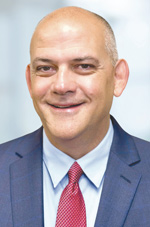
Matt Kegley is superintendent at Hamilton Southeastern Schools.
Be the first to comment on "Strong results should raise expectations, not lower urgency"