
“Sometimes a family is a port in the storm; sometimes it is the storm itself.” – Cillian Murphy, as Thomas Shelby in Peaky Blinders
This quote may strike a chord of a different tone than my goal for this column, but take it as you will and I will pursue my topic which relates primarily to our physical health and well-being.
After the age of oh, let’s say 30ish, we are sometimes visited by our ancestors and close family members by way of our aches, pains, lab reports, and often our diagnoses. Alas, our DNA is unchangeable but many other aspects of our health are changeable, thankfully! Family history is, however, a vital part of our medical history. Knowing your family’s health history can identify inherited genetic risks and behaviors that can influence a person’s likelihood of developing diseases like cancer, diabetes, or heart disease.1
Knowing your health history can identify whether a patient has a higher risk for disease, provide early warnings of disease and help to develop a plan for lifestyle changes to keep the patient well. Think of this knowledge as an early warning system. Our cars give us a computer update when changes are necessary to keep the machine running and functional, if this gives you a better idea. Since our bodies are not computers (yet!) we must rely on family medical history along with annual wellness visits and laboratory guidelines.
If family members developed diseases at younger ages or if several family members have the same condition, it could indicate a higher risk for you. Paying attention to this information, sharing it with your physician, and being your own medical advocate is not selfish; it is indeed something you do for those whom you love and who love you in return. Do not be hesitant about asking appropriate questions of your family members if you feel they have information which can assist you in your health goals and needs. If your grandparents and parents are no longer living, talk to aunts, uncles, cousins, and others who may have specific information and/or be willing to share their own health assessments.
If you have an interest or experience in genealogy, you may uncover information that can bring awareness to your ancestors’ health issues which may have been lost in the family history over time. While this information, of course, does not translate to your own particular health questions it can shine a light on some health matters that have been prevalent in your family through the years. While my emphasis in this column refers to physical health it can be informative and helpful for treatment if you discover that family members have been treated for clinical depression as there can be a genetic factor.2 In that case sound medical management can be very beneficial.
While we obviously cannot control all potential ailments and health issues which may be a part of our genetic makeup, we can use on own family history to better determine risk assessments and work with our licensed medical professionals to best prevent and treat situations which may arise. Sensible nutrition along with moving your body and practicing self-care will go far in determining your health and fitness throughout your life.
1 American Medical Association
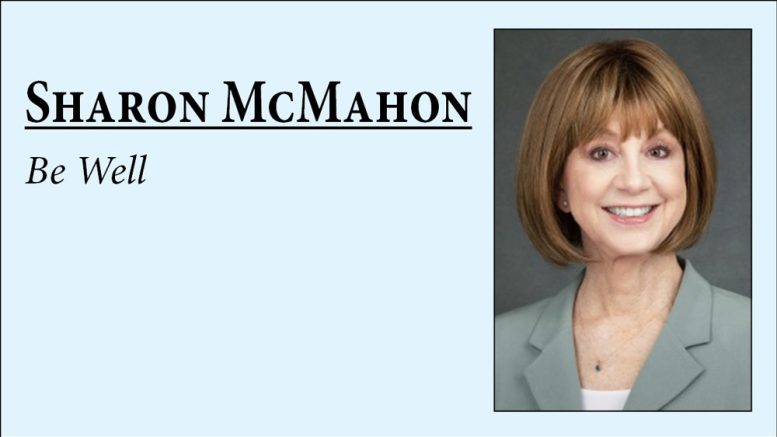
Sharon McMahon, CNWC
The opinions expressed in this article are not intended to replace advice of your personal physician or licensed health professional. Please consult your physician for any issues you may have related to nutrition or fitness activity.