
The American School Health Association recently contacted me for possible involvement in their October centennial national conference being held in Indianapolis. It reminded me of my work in addressing school-health issues when I was Indiana’s state health commissioner and how important schools are to supporting children’s health.
Schools are part of our public health system and play a significant role in assuring our children’s physical, social, and emotional health. Schools are ideal places to meet children where they are. It’s difficult for an unhealthy, disadvantaged, or struggling child to learn and prepare for a productive, well-adjusted life. Schools can help reduce health disparities and, ultimately, health-care costs.
They support physical health by providing physical education, organized sports, and health education that includes instruction on disease prevention, sexual health, and healthy nutrition and lifestyles. Education regarding the perils of substance abuse, including tobacco, vaping, and alcohol, can reduce initiation and foster resistance to peer pressure. Knowledge is power.
School breakfast and lunch programs are particularly critical for low-income children, many of whom rely on these meals as a primary source of daily nutrition. It’s difficult for a hungry child to learn.
School-based health clinics improve access to medical and preventative care, especially valuable for disadvantaged children who have social and economic barriers to accessing the health-care system. These clinics also provide management of acute and chronic illnesses, mental health counseling, and referrals.
Understand that teachers, nurses, social workers, psychologists, and counselors are often not only the first to recognize untreated medical conditions, but also signs of child abuse, neglect, developmental delays, attention deficit disorder, and learning disabilities. Additionally, they identify anxiety, depression, and substance abuse, among other mental-health conditions. These professionals facilitate connecting families to providers and other resources.
The school’s function in socialization cannot be overstated. Schools provide supportive and inclusive environments. Through involvement in the classroom and school activities, children can develop an understanding of teamwork, acceptance of diversity, and leadership skills. Students also learn the interpersonal attributes of empathy and effective communication; they can acquire conflict resolution and prudent decision-making skills.
From my own childhood experience, I appreciate that the school environment is a chance for students to experience inspiring, nurturing teachers, coaches, and other school staff who serve as role models to emulate and provide encouragement and direction. To be mentored is a gift.
Schools, including those in Indiana, face significant barriers to promoting health, including limited funding; shortages of school nurses, counselors, and psychologists; and inequitable distribution of resources among school districts. Inadequate parental involvement, lack of comprehensive health education, and policies that do not consider the effect on student health are additional barriers. Addressing these challenges requires collaboration among educators, health professionals, families, government, and the breath of community stakeholders. It’s a shared responsibility.
Investment in comprehensive school-health programs represents one of the most effective strategies for helping children achieve academic success and reaching their full potential. This approach is supported by the American Academy of Pediatrics and by the Centers for Disease Control and Prevention’s Whole School, Community, Child model, which emphasizes the integration of education, health services, family engagement, and community partnerships.
A child’s health is not just about preventing and treating illness. It’s also about assuring conditions exist that allow a child to thrive. Schools are essential in that process.
As the national conference comes to Indianapolis, it seems like a good time for me to ask: Is Indiana doing enough to support our school-health programs?
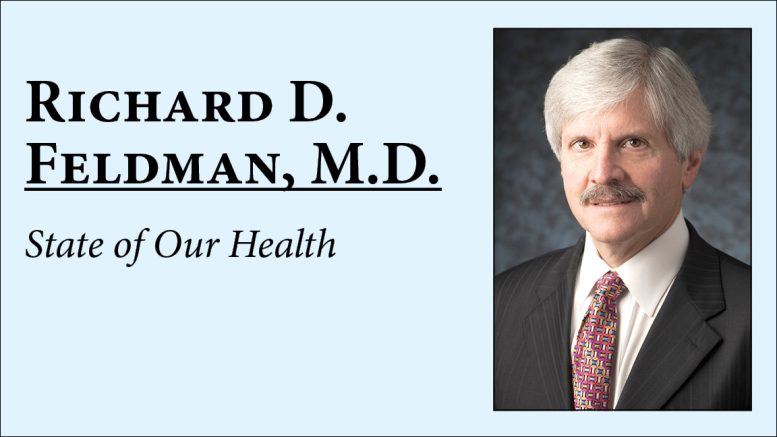
Richard D. Feldman, M.D. is an Indianapolis family physician and former Indiana State Health Commissioner who served in the administration of Governor Frank O’Bannon.
Be the first to comment on "Is Indiana doing enough to support our school-health programs?"