

By DAN BURTON
Guest Columnist
 Indiana needs new energy production and it needs it fast. From a new active pharmaceutical ingredients plant in Indianapolis to a semiconductor facility in West Lafayette, manufacturing has been growing in our state and bringing with it urgent electricity needs.
As demand for electricity grows, Indiana needs to continue making it easier to build new energy projects while removing unnecessary government obstacles to development. In other words, our energy infrastructure needs to keep pace with our tech and manufacturing growth.
Gov. Mike Braun has made cutting unnecessary regulations a priority of his administration. He and state lawmakers should put that philosophy into practice with solar power, which has the potential to lower costs, create jobs, and help Hoosiers produce more of their own energy.
Indiana is already ramping up its use of solar, ranking fifth in the nation for total solar power added from July 2025 to July 2026. In 2023, an economic impact analysis found that the solar power industry contributed $35 million in state taxes while supporting thousands of jobs to boot.
Solar can help meet Indiana’s electricity needs, which is why our solar capacity grew at a record rate last year. Gone are the days when you had to worry about the sun going down; advancements in battery storage technology have made solar a reliable, 24-hour electricity provider. The new solar power, battery storage, and transmission infrastructure project approved in October to help power Google’s new data center in Monrovia provides a good example of how this can work well in our state.
The Trump administration has also made not just solar power but solar manufacturing a priority, determined not to cede the future of this vital technology to China. Solar manufacturing has especially grown in red states, with Indiana no exception to this trend.
Earlier this year, a new CS PowerTech solar factory came online in Jeffersonville worth nearly $1 billion. That plant will manufacture some of the most advanced solar cells ever made in the United States and create 1,200 jobs.
Solar power can help Indiana compete for investment while keeping electricity affordable for families and businesses. Yet red tape and other obstacles threaten to get in the way.
It’s vital that Indiana remove unnecessary barriers to development. Thankfully, there’s some relief on the way from Congress, which is expected to pass a bill streamlining the permitting process for construction projects like new solar facilities.
But some of the problem is homegrown. State, county, and local governments impose too many impediments on solar approval and construction. One Indiana county even placed solar on a list of undesirable land-use projects that includes adult bookstores!
When it comes to having more energy options available, less is never more. More is more. And given its ever-strengthening track record, solar needs to be a part of the solution.
Some politicians rightly looked with skepticism on previous government mandates and heavy-handed policies that undermined traditional energy sources in favor of solar power. But we shouldn’t let those earlier counterproductive measures goad us into intervening now against a perfectly good source of jobs, power, and innovation.
Indiana doesn’t have to choose between solar, coal, natural gas, and nuclear power. It should welcome all of them. With some simple regulatory reforms that get the government out of the way, the sun can play an even bigger role in Indiana’s energy future.
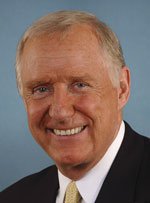
Dan Burton is a former Republican member of Congress from Indiana where he chaired the House Oversight Committee. He represented Indiana’s 5th congressional district, and previously 6th congressional district, between 1983 and 2013.
Be the first to comment on "Indiana must reduce regulations on solar power"