
As the rhythm of the dhol fills the air and colorful outfits swirl beneath the night sky, something beautiful happens. Hands clap in rhythm, feet follow familiar steps, and strangers become dance partners. This is Navratri, a festival that celebrates devotion, culture, and the power of coming together.
The word Navratri comes from two Sanskrit words: Nav, meaning nine, and Ratri, meaning nights. Across these nine nights, we honor the divine feminine in the forms of Maa (Mother Goddess), celebrating her strength, courage, wisdom, and compassion. For many of us, Navratri is a time of prayer, reflection, music, and dance. But it is also a beautiful reminder of what it means to build a community where everyone belongs.
One of the most cherished traditions of Navratri is Garba, a folk dance originating in Gujarat, India. Dancers move in a circle, clapping and stepping in rhythm with the music. The circle is more than a dance formation; it is a symbol of unity, continuity, and life itself.
What I love most about Garba is that there is room for everyone. You do not have to know every step to join the circle. You might miss a beat, turn in the wrong direction, or look to someone beside you for guidance. And that is perfectly fine. Someone smiles, someone makes room, and someone helps you find the rhythm.
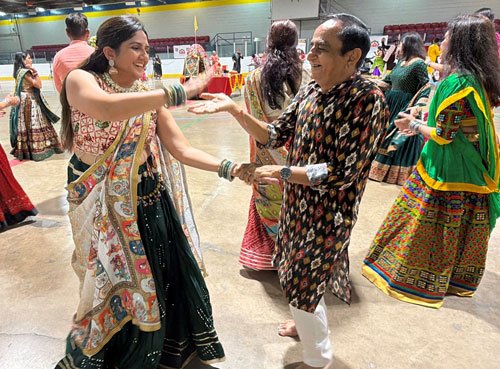
Photo provided
Isn’t that what diversity and inclusion should look like in our everyday lives?
In our communities, we come from different backgrounds, speak different languages, follow different traditions, and carry stories shaped by our own experiences. We may not all know the same steps, but we can learn from one another. We can slow down when someone needs support, make space for someone new, and ensure nobody is left standing outside the circle.
In Garba, every step matters, but no single dancer owns the circle. The beauty comes from moving together, respecting the rhythm, and recognizing that each person contributes something unique. If someone falls out of step, the circle continues to welcome them back.
Perhaps our communities can learn from this simple yet powerful tradition. Belonging is not about expecting everyone to move exactly as we do. It is about creating a space where people feel comfortable learning, participating, and being themselves.
As we celebrate Navratri, I invite you to think about the circles in your own life. Who is dancing beside you? Who is waiting for an invitation? And how might you make room for one more person?
Because the most beautiful circles are not the ones with perfect steps. They are the ones where everyone has a place, every story matters, and no one is left behind.
Let us keep the circle open and wider.
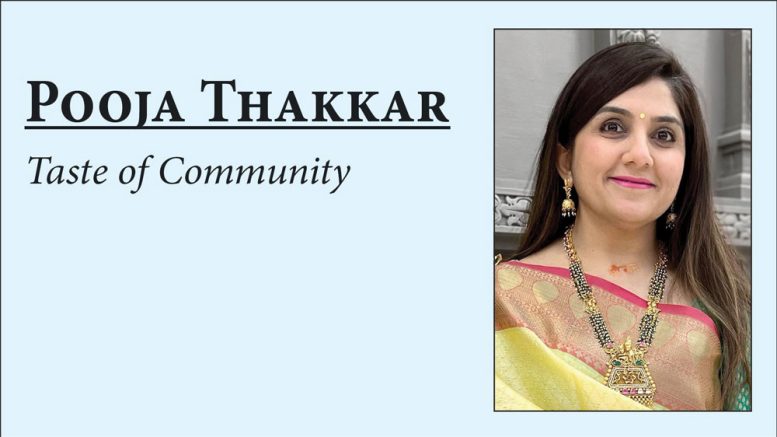
Pooja Thakkar is working to build cultural connections. You can read her column each week in the pages of The Reporter.
Be the first to comment on "Garba: a dance of unity in a circle where everyone belongs"